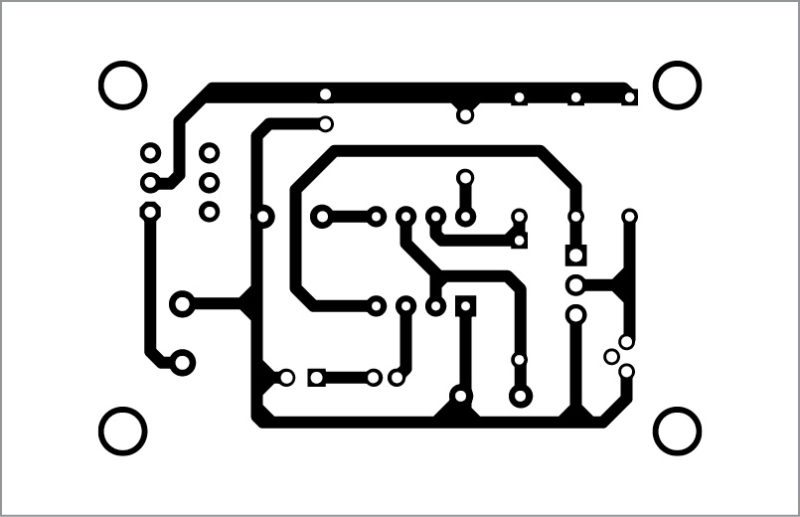
How to make Home Security light Alarm circuit Circuit Diagram Enough current now flows through the circuit to trigger the gate of the SCR. Once the gate of the SCR is triggered, current now flows across from its anode to cathode and turns on the buzzer. Once triggered, the SCR stays on, just like an alarm, stimulating an alarm circuit. And this is how this light alarm circuit works.

In this video, we'll show you how to create a light-sensitive alarm system using Arduino. This simple yet effective DIY security project will help you detect The light-dependent resistor module has four pins: 3.3V : While 'VCC' stands for Voltage Common Collector, we'll connect the VCC pin to 3.3V on the micro:bit GND: In electronics, we define a point in a circuit to be a kind of zero volts or 0V reference point, on which to base all other voltage measurements. This point is called ground or GND.

How to Build a Light Alarm Circuit Circuit Diagram
This simple photosensitive alarm activates a buzzer when light shines directly on the connected LDR. The system should be placed on the window at night so that when the light appears in the morning, it will activate the buzzer to alarm. The alarm makes use of a buzzer which is powered by a 9V battery. Read through to understand more. Components:

Below you can see how I connected this circuit on a breadboard: How The Circuit Works. This circuit is very similar to the Automatic Night-Light Circuit. But while the night-light turns on the transistor when it gets dark, this circuit turns on the transistor when it gets light. The photoresistor and the resistor make up a voltage divider.

Build Electronic Circuits Circuit Diagram
The LED-resistor pair is there to add a light indication in addition to the sound from the buzzer. If you want to keep the circuit simple, feel free to skip it. Typical Photodiode Circuits. Photodiodes can be used in a variety of ways, but the most commonly used circuits are the two below that use operational amplifiers (op-amps).